I was reading recently that less than 8% of the Australian population are property investors which equates to about 1.8 million people. Of these, the Australian Tax Office reported that 72% of these investors (or around 1.3 million) own just one property. There is a steep drop to less than 100,000 people that own more than 3 properties and less than 1% of Australian property investors (about 15,000 people in the entire country) own more than 6 properties. This information not only shows how few people manage to develop a large property portfolio but also that there is a huge proportion of people that never even get their foot on the ladder. Of course property investing is not everyone’s cup of tea but I have spoken with many people just wanting to make a start but possibly not feeling prepared to take the leap of faith. Today I was speaking with a family member who was interested in learning more about the steps to take to get on the investment ladder. I mapped out a basic example of what I would consider a great ‘starter’, something quite similar to what I started with on my first investment and also an investment which won’t break the bank to get you started. Let’s take a look.
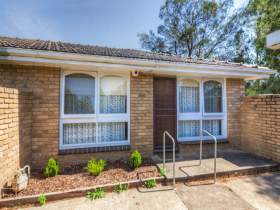 The property I chose to demonstrate with was a one bedroom unit currently for sale in a regional city of around 100,000 people. It is serviced well with good infrastructure and is close to necessary facilities (shops, hospitals, schools etc). The location is highly desirable and the unit itself appears to be in excellent condition. It is for sale for $145k – $155k. Let’s say that we manage to get an offer of $145k accepted, what do the figures look like and is it affordable?
| How Much Will It Cost Me? | ||
| Property Price – $145,000 | Deposit (10%) – $14500 | Mortgage – $130500 |
| Stamp Duty – $3700 | Interest Rate – 5.5% | |
| Conveyancing – $800 | ||
| Mortgage Insurance – $1800 | ||
| Total Costs (estimated) | $20800 |
These are the main costs with a deposit of 10%, if you can get to 20% for a deposit the mortgage insurance disappears and the total estimated cost would then be $33,500. So you could get the property for an initial outlay of between $20,800 and $33,500 but what then? How are you going to service the loan and how much is it going to cost out of your own pocket?
| How Much Will It Cost To Service? | ||
| Loan Amount – $130,500 | Council Rates – $900 | Rent Income – $200/wk |
| Interest Rate – 5.5% | Water Rates – $900 | |
| Weekly Repayments – $171 | Body Corp – $800 | |
| Property Mgmt. – $728 | ||
| Yearly Repayments – $8892 | Yearly Costs – $3328 | Rent/Yr – $10400 |
The rent on this property is very healthy and over the course of the year you would be out of pocket $1820 (or $35 a week). Remember that this is a ‘one moment in time’ scenario and things can change in both positive and negative ways. The interest rate above is fairly conservative currently, I could locate a deal at 4.69% which would reduce your weekly repayments to $156 meaning you’re now only out of pocket $20 a week! If you managed the initial 20% deposit at that interest rate then your repayments drop to $139/week which means you would have to dig between the couch cushions once a week to find the spare $3 to fund your investment property!
On the flip side you also need to be aware that tenants can move out, things can break that need repairing and the cost of rates, insurance and property management can (and usually do) go up. It would be great to only have to pay $3 a week but in reality it will sometimes be more than that. Can I afford $20, $50 or even $100 a week if it came to that? These are all questions that you need to ask yourself and factor into your own budget. Overall though, what I’m hoping is that this example shows that you don’t need to be a millionaire to start on the investment ladder. Yes it takes some saving but it’s property and you don’t get it for free. When you do the sums though it can often work out to be a lot less than you may have initially thought!
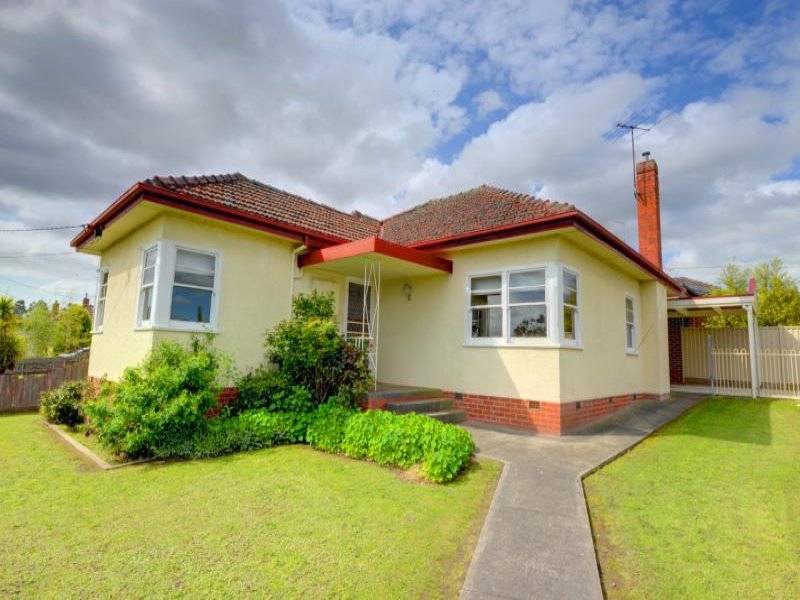
 One of the most fascinating things that I’ve seen in the media recently regarding property development are the incredible ‘ghost cities’ that are being developed in China. The first I heard of this was in 2011 when Journalist Adrian Brown of the Australian Dateline program visited multiple new cities that had been built throughout China. The statistics are incredible with reports stating that there are over 64 million apartments vacant across the country. The background to why these cities have been built is intriguing and somewhat complicated. Many experts theorise that it has a lot to do with China’s tax policy. With no local property taxes, governments still need to make money so this is largely done through the development of land. With land sales being illegal in China this works by the government leasing large tracts of land for development of these massive estates, the scary thing is that this happens sometimes regardless of other services and infrastructure being there to support such large cities. Throw into this mix the emerging Chinese middle class with excellent savings records and a non-transparent stock market and investment in property is an attractive option for many, either as an investment for themselves or as a future home for a child. It’s reported that many people purchase their property with cash, and with no mortgage or property taxes to worry about it could be seen as a relatively easy investment to sit on. The results of this are evident however, just take some time and view the following footage, it’s astounding.
 One of the great things about starting the journey of property investing is that you don’t necessarily need to be on an enormous pay packet to do it. Many people assume that to invest in property you need to have a lot of money to start off with. I’m sure that many of us know of people who are making big bucks in their jobs but are still struggling come the end of the month to pay the bills and are sometimes heard saying ‘If only I had more money/got a pay rise/won the lotto’ etc… One of the key things to realise when considering investing is that it’s not how much money you have it’s how you manage the money that you do have that matters. Look at the examples that we hear about of people that do win the lotto. There are numerous unfortunate stories of people winning millions of dollars but just a few short years later they have gone through the lot and have nothing to show for it. Just simply having money doesn’t equal knowing what to do with it. Learning how to manage money (and not just in relation to property investing) is one of the key skills that I’d suggest is essential before embarking on any property investments.
 Whilst the title of this post is about becoming ‘intimate’ with money, what I mean by that is that it’s important to know as much as you can about your own finances and to learn to manage them rather than sit back and hope for the best. This isn’t about learning how to become a millionaire, it’s about knowing what you have, what you are doing with it and how you can start to make it work for you…hopefully the millionaire part comes later! For many people this step can be challenging, particularly if money is not something that you are used to discussing or learning about. For some, simply getting over the mental hurdle of ‘but I don’t earn enough to have to worry about it’ is the first step. My thought is that whether you’re a 10 year old putting pocket money in a piggy bank or an executive on a 6 figure salary you can always learn something new when it comes to managing your money. It’s also an ongoing process that you need to commit to as the way you manage your finances changes as you go through life. One thing that I’ve found (and I can feel eyebrows being raised in skepticism now) is that as you get better at it you will start to see the benefits of managing your money and it can change from what may have felt like a chore into something that can be enjoyable…you’ll have to trust me on that.
 When considering investing in property it’s essential to think carefully about why you are doing it and why you are choosing to invest in property over any other options. There is a lot of media coverage in many countries about the process and benefits of property investing and it’s certainly encouraging to a lot of people, however there are many questions that you should be asking yourself before heading down that path. One of the things I talk to people a lot about is to be ‘cautiously receptive’ of other people’s advice (including mine as well) and when you start telling people that you are thinking about buying an investment property you’ll be surprised at how many people have an opinion on it and plenty of advice to go along with it.
 One of the things that you will find when you start investigating property investment is that there is a huge amount of information out there for you to digest. A lot of it is good and it’s great to know that there really are people willing to share their own knowledge to help you learn, alternatively there are also people willing to put out information that can unfortunately be misleading or are trying to make a quick dollar from the uninformed. The only way to know what to do is to learn it and frustratingly this takes patience. I’m a big believer that property investment is a journey and that it takes time, a lot of time. If you’re expecting to make big money quickly through buying and selling property for a profit then you’re heading more along the lines of
 Landlordism