When looking to purchase property it can sometimes feel like you have to start learning a new language and it’s not that far from the truth. There are a lot of terms that you need to learn about and start to understand what they mean. As frustrating as this can be, it’s crucial to make sure that you can speak at least some of the language of real estate to ensure that you have a good idea of what you’re getting in to and that you can avoid being bamboozled by agents talking the talk. One term that you will hear a lot, mainly when there are multiple dwellings in a group (units, apartments etc) is Strata Title. Another one that you may hear less often is Company Title. Let’s look at this fascinating unit recently for sale that highlights the difference between Strata and Company Title.

This one bedroom apartment recently listed (and already under offer) in Sydney’s beautiful Potts Point has been shut up for the last 20 years and has not been lived in for all of that time. 20 years ago similar units to this were selling for around $75,000, in 2013 however it’s priced at more than $436,000, not surprising at all when you can get views of the Opera House and Harbour Bridge from the common roof terrace! It’s certainly a unique offering which hit the news quickly and looks like it’s been snapped up just as quickly.
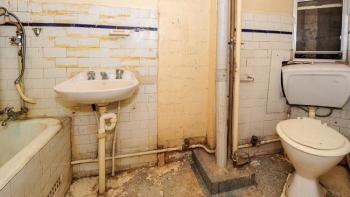
The interesting thing about this apartment though is that it’s listed as Company Title not the more common Strata Title. With strata title schemes they are divided into lots and common property. The feature of strata title is that each lot will come with it’s own title deed that can usually be bought, sold and mortgaged without any consent being needed from other lot owners or the building management. The owners also have an entitlement and relevant obligation for the use, maintenance and upkeep of the remaining common area outside of the individually owned lots (ie: driveways, paths, gardens, stairwells etc). Strata title was instigated by property developers in the 1960’s, prior to this, company title was a common method of ‘ownership’ in apartment and unit complexes.
A lot of company title complexes were set up in the 1920’s and 30’s and it’s not a surprise for the property above that was built in 1929. The difference with this title however is significant. Company title allows people to buy shares in the company that owns the building and the ownership of those shares allows the person to live in the unit. The large difference is that the purchaser will not receive any certificate of title for the property. There are also often restrictions on any subsequent leasing of the property and also the prospective owner may need to be approved by the company board of directors. Some lenders are also reluctant to lend as much for a company title property so it’s important to take this into consideration. If you hunt around there is a lot of useful information on the differences in property titles. This article gives a useful overview of the pros and cons related to company title. If you know of other useful resources, post them below!

 One of the most fascinating things that I’ve seen in the media recently regarding property development are the incredible ‘ghost cities’ that are being developed in China. The first I heard of this was in 2011 when Journalist Adrian Brown of the Australian Dateline program visited multiple new cities that had been built throughout China. The statistics are incredible with reports stating that there are over 64 million apartments vacant across the country. The background to why these cities have been built is intriguing and somewhat complicated. Many experts theorise that it has a lot to do with China’s tax policy. With no local property taxes, governments still need to make money so this is largely done through the development of land. With land sales being illegal in China this works by the government leasing large tracts of land for development of these massive estates, the scary thing is that this happens sometimes regardless of other services and infrastructure being there to support such large cities. Throw into this mix the emerging Chinese middle class with excellent savings records and a non-transparent stock market and investment in property is an attractive option for many, either as an investment for themselves or as a future home for a child. It’s reported that many people purchase their property with cash, and with no mortgage or property taxes to worry about it could be seen as a relatively easy investment to sit on. The results of this are evident however, just take some time and view the following footage, it’s astounding.
 $140,000 in 1998 but has been used to living in



 When considering investing in property it’s essential to think carefully about why you are doing it and why you are choosing to invest in property over any other options. There is a lot of media coverage in many countries about the process and benefits of property investing and it’s certainly encouraging to a lot of people, however there are many questions that you should be asking yourself before heading down that path. One of the things I talk to people a lot about is to be ‘cautiously receptive’ of other people’s advice (including mine as well) and when you start telling people that you are thinking about buying an investment property you’ll be surprised at how many people have an opinion on it and plenty of advice to go along with it.


 Landlordism